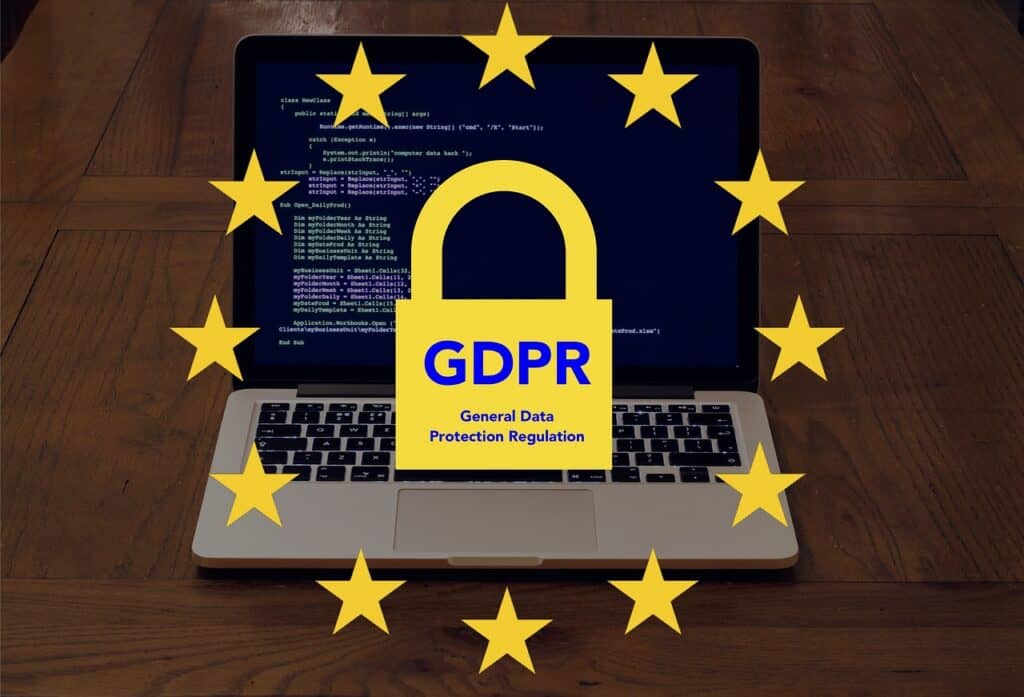
With the introduction of General Data Protection Regulation (GDPR) in May 2018, businesses are required to follow strict guidelines when acquiring, processing, and managing personal data. This has left many organizations wondering how to generate B2B leads while still remaining GDPR compliant.
GDPR is designed to protect individuals’ personal data and privacy rights by regulating its collection, storage, and use. Ignoring these rules can have serious consequences, including hefty fines and a damaged reputation. This makes it essential for businesses to develop creative and compliant lead generation tactics that align with GDPR rules.
Compliance can be challenging for B2B companies, particularly with the increased need for personalized and targeted marketing campaigns. Furthermore, GDPR regulations can vary based on the jurisdiction of the lead and the market being targeted, which can make the process even more complicated. Nonetheless, businesses must follow these rules to demonstrate their commitment to ethical and transparent data processing practices.
In this blog post, we will explore effective strategies and tactics that businesses can utilize to stay GDPR compliant while generating B2B leads. From understanding GDPR regulations to developing a data protection impact assessment plan, we will cover all the necessary information you need to know to responsibly and ethically generate B2B leads that comply with GDPR regulations.
Understanding GDPR regulations for B2B lead generation
The General Data Protection Regulation (GDPR) came into force on May 25, 2018, and has since then influenced how businesses process and handle personal data. Although GDPR is mostly associated with B2C activities, it also applies to B2B companies that collect and manage data for lead generation purposes.
GDPR defines personal data broadly as any information that relates to an identified or identifiable natural person. It includes names, addresses, email addresses, phone numbers, job titles, and other identifiable information that businesses gather for sales and marketing purposes. Therefore, B2B companies must comply with GDPR when handling and processing this information.
GDPR requires B2B companies to get explicit consent from prospects when processing their data. This means that businesses must clearly inform prospects how their data will be used, who will receive it, and for what purposes. Companies are also obligated to respect the prospect’s right to withdraw their consent at any time, and their right to request modification, erasure, or transfer of their data.
A vital aspect of GDPR compliance is maintaining ethical data processing and management practices throughout the lead generation process. Businesses must ensure that they don’t collect extra personal data than what is needed, and that they don’t misuse or share the information they collect. Additionally, companies should ensure that they make data accessible only to authorized personnel and should take steps to safeguard data security.
Businesses must also implement secure lead generation tools and techniques to comply with GDPR regulations. Tools like web forms and landing pages should be designed with data protection in mind. Companies should ensure that every interested individual gives explicit consent to receive marketing communication before being added to the database.
It is crucial for B2B companies to develop a data protection impact assessment plan to ensure that GDPR compliance is thoroughly documented and transparent. The data protection impact assessment plan outlines the measures the company has taken to meet GDPR requirements and what steps the company will take in the event of a data breach.
Finally, B2B companies should have an established process for reporting and mitigating GDPR breaches. GDPR requires companies to report any data breach within 72 hours to relevant authorities and affected individuals. If a data breach occurs, the process should include internal investigation, containment of the breach, and steps to rectify and prevent future breaches.
Ensuring Consent to Receive Marketing Communication
One of the crucial aspects of generating B2B leads while complying with GDPR regulations is ensuring consent before marketing communication. GDPR requires businesses to obtain explicit consent from the target audience before sending any promotional email, direct message, or phone call. Businesses also cannot make consent a precondition for accessing their services or products.
Obtaining consent starts with an appropriate opt-in method that explicitly states the purposes of collecting user data and sending promotional messages. Businesses must use specific, unambiguous, and transparent language that the recipients can understand easily, regardless of their technical literacy. Pre-ticked boxes or other default opt-in methods are not acceptable under GDPR regulations.
Businesses must also keep a record of the consent and the specific opt-in information given by the individuals. This record must be easily accessible and securely stored to be produced at any time for proof of GDPR compliance. Businesses must also provide an uncomplicated and easy-to-use opt-out method for users who want to withdraw their consent.
Another essential element of obtaining consent is providing an accurate and detailed privacy policy. Your privacy policy must explain your data protection and processing practices, the use of collected data, and all the recipients of the same information. Businesses should also mention how long they plan to retain the collected data and the security practices employed to prevent data breaches.
In summary, obtaining explicit consent is a crucial step towards GDPR compliance while generating B2B leads. Providing transparency, simplicity, and clarity in consent opt-in and opt-out methods, along with a detailed privacy policy, can help your business avoid regulatory penalties and avoid any unwanted legal disputes.
Implementing Secure Lead Generation Tools and Techniques
As companies continue to rely on lead generation to drive their revenue generation efforts, it is becoming increasingly crucial to ensure that the tools and techniques used in this process comply with the GDPR regulations. This means that companies need to implement secure lead generation tools and techniques that prioritize privacy and data protection. Failure to do this could lead to hefty penalties for non-compliance.
One effective tool for securing B2B lead generation is to use a secure web form that has been specifically designed to gather information from prospective customers. This form should be created using a template that is specifically tailored to the GDPR regulations, with specific permissions for data processing and management included to ensure compliance. Additionally, companies should use secure web servers and data storage services to ensure that the data gathered from leads is protected from cyber threats or breaches.
In addition to using secure web forms and data storage, companies should also be using secure lead generation techniques. This includes using double opt-in email marketing lists, which ask prospective customers to confirm their interest in receiving marketing communication before sending them emails. Additionally, companies should be sure to tailor their email marketing campaigns to comply with GDPR regulations regarding marketing communication consent.
Other secure lead generation techniques that companies can use to ensure compliance with GDPR regulations include lead scoring and segmentation, which help to ensure that only the most qualified leads are contacted by sales reps. This helps to reduce the risk of non-compliance with GDPR regulations and ensures that companies are only reaching out to leads who have expressed a genuine interest in their products or services.
In conclusion, companies must prioritize the use of secure lead generation tools and techniques to ensure compliance with GDPR regulations. By using secure web forms and data storage, double opt-in email marketing lists, and lead scoring and segmentation techniques, companies can help protect both their customers’ privacy and their own legal compliance.
Conducting ethical data processing and management practices
When it comes to B2B lead generation, GDPR compliance necessitates that businesses process and manage customer data ethically. This implies that businesses must maintain transparency about how they handle data and make sure that it’s processed appropriately. Companies are required to collect sufficient data that directly relates to the purpose of lead generation, and they must always ask for explicit consent from the data subjects before processing their information.
Businesses must guarantee that all the data they’re collecting is precise and that it’s being processed correctly. To achieve effective GDPR compliance, all data should be kept up to date and accurate. Companies must inform data subjects of their right to modify their data or remove it from the company’s database at any time. This must be easy to accomplish since the GDPR also requires that it be as easy to withdraw consent as it is to provide it.
Companies must notify data subjects within 72 hours of becoming aware of a breach. In the event of a data breach, businesses must take immediate procedures to mitigate the effects of the breach. This includes reporting the breach to the controller and data subjects without undue delay. Businesses must utilize data protection technologies that are appropriate for the amount of data they collect and process. These might entail the use of encryption techniques and techniques that mask or delete data promptly.
Furthermore, companies must be up-to-date with regulator direction and apply best practices when processing and managing collected data. Being knowledgeable about GDPR regulations is not enough; businesses must also implement appropriate compliance plans and controls to ensure that they meet GDPR’s ethical data processing and management guidelines. Companies may seek guidance from regulatory and compliance specialists to help them investigate their processes and discover areas for enhancement.
In conclusion, ethical processing and management of data is necessary for GDPR compliance in B2B lead generation. It is critical that companies keep detailed records of their data processing activities, only collect data that is relevant to their business, and maintain transparency with consumers about data usage practices. Companies that prioritize ethical data processing and management practices will not only stay GDPR compliant, but they will also be able to build customer trust and foster long-term, loyal business relationships.
Developing a data protection impact assessment plan
Organizations should regularly evaluate the impact of their data processing activities on individuals’ privacy, particularly when handling personal data on a large scale. According to GDPR, data protection impact assessments (DPIA) should be conducted to identify the risks arising from data processing activities and to implement effective risk management measures for data protection.
The DPIA plan should include a clear description of the data processing activities, the reasons for data collection, and the use of individual personal data. It should include any potential risks to individual rights and freedoms as well as the measures implemented to mitigate those risks. Risks that are considered too high must be specifically addressed, making sure that the condition of individuals’ right and freedoms are preserved.
All relevant stakeholders should be included in the development of the DPIA plan, including legal and IT professionals and privacy and data protection officers. If any risks are detected, an action plan should be developed to manage those risks, and steps should be taken to implement appropriate security measures to protect personal information from unauthorized access, use, disclosure, alteration, or destruction. Any breaches should be documented and reported to the relevant authorities within the mandated time frame.
Developing and implementing a DPIA plan requires thorough knowledge of GDPR requirements and an understanding of the organization’s data processing activities. It may require significant investment in staff training and new technologies to succeed. Nevertheless, having a DPIA plan in place ensures compliance with GDPR regulations, protects individuals’ rights and freedoms regarding their personal data, and helps to minimize legal and reputational risks for the organization.
The success of any DPIA plan depends on the organization’s commitment to ongoing compliance, data protection accountability, and the regular review and improvement of its processes and measures. To achieve this, DPIA plans should be reviewed, revised, and updated periodically to ensure that they remain relevant and effective in managing new risks or changes in the processing activities or the business processes of the organization.
Reporting and mitigating GDPR breaches in B2B lead generation
Despite taking proactive measures to stay GDPR compliant while generating B2B leads, organizations can become victims of data breaches. If a data breach occurs in B2B lead generation, the organization is responsible for reporting the incident and taking appropriate action. In this section, we discuss how to report and mitigate GDPR breaches in B2B lead generation.
The first step in reporting a data breach is to immediately inform the supervising data authority. The supervising data authority oversees all data protection regulations in a given country. Failure to report a data breach to the supervising data authority could result in GDPR non-compliance fines. Therefore, organizations must have an incident response plan in place that includes notification procedures to the supervising data authority.
After notifying the supervising data authority, the organization must then take appropriate measures to mitigate the breach. This includes identifying the source of the breach, securing the compromised data, and preventing future incidents from occurring. Organizations should also conduct a comprehensive audit of their data processing and management practices to identify any weaknesses in their system.
Documentation and record-keeping are essential in GDPR breach reporting and mitigation. All steps taken to address the breach, including notifications, audit reports, and any other relevant information must be documented. This documentation is submitted to the supervising data authority during the breach report and is critical in demonstrating GDPR compliance.
Organizations should also inform the affected individuals as soon as possible. Under GDPR regulations, individuals have the right to be informed about any breaches that may impact their data. Therefore, organizations must notify all individuals whose data was affected by the breach and inform them of any potential risks and actions they can take to protect themselves.
Finally, organizations should learn from their experiences in breach reporting and mitigation and update their GDPR compliance strategies accordingly. This includes identifying what caused the breach and implementing additional security measures to prevent future incidents from occurring. It is also essential to conduct regular audits of data processing practices to ensure continued GDPR compliance.
In conclusion, reporting and mitigating GDPR breaches in B2B lead generation is crucial for maintaining GDPR compliance. Organizations must have an incident response plan in place that includes notification procedures to the supervising data authority, identifying the source of the breach, securing compromised data, and preventing future incidents. Documentation and record-keeping, informing affected individuals, and learning from experiences are also essential in responding to GDPR breaches in B2B lead generation effectively.
Conclusion
Staying GDPR compliant while generating B2B leads is crucial for businesses operating within the EU and those that collect data from EU citizens. Failure to comply with GDPR regulations can result in legal and financial consequences that can put a business at risk. However, by understanding the regulations and implementing the right practices, businesses can avoid issues and protect their customers’ data.
When generating B2B leads, businesses must ensure they have obtained explicit consent from potential customers to receive marketing communication and use advanced methods to collect and process the data ethically. Additionally, businesses should implement secure lead generation tools to protect their data and customer’s privacy from unauthorized access.
Developing a data protection impact assessment plan can help businesses identify risks and take necessary measures to mitigate them. In case of a GDPR breach, it is essential to report it immediately and take steps to rectify the issue. By adopting the necessary measures, businesses can maintain trust with their customers and ensure that their data is secure and protected.
In conclusion, staying GDPR compliant requires careful consideration and diligence, but it is essential in achieving a successful B2B lead generation strategy in the EU. Following the recommended practices and continual evaluation of GDPR requirements can ensure that businesses comply with regulations while effectively collecting leads and providing value for their customers.


